+265 996 277 889

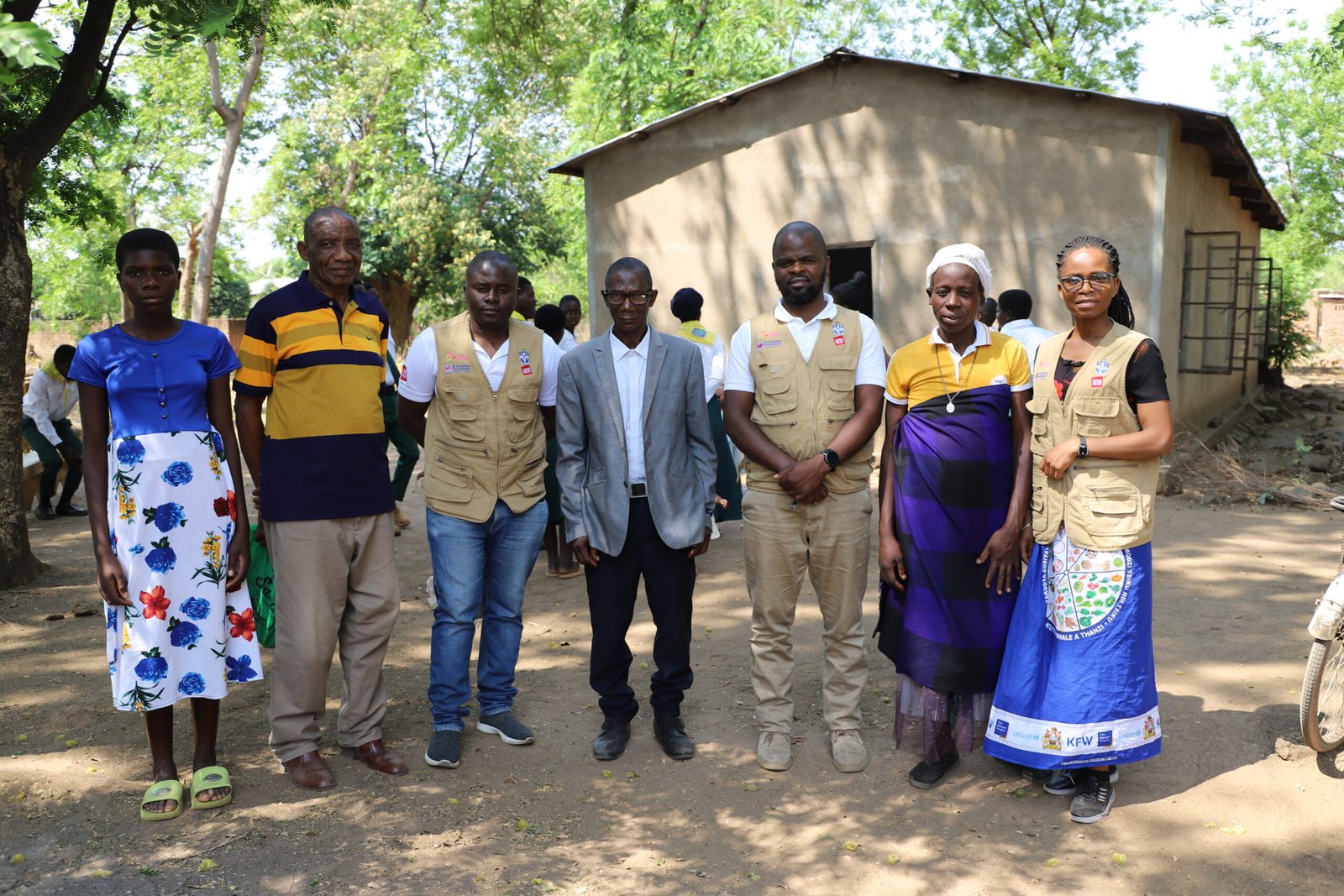
In Malawi, where climate change impacts are growing, the SAFER Project has delivered transformative change, empowering vulnerable communities to prepare for and respond to disasters. Through faith-based collaboration, media outreach, and community engagement, SAFE has successfully heightened disaster resilience, with a particular focus on gender justice and inclusivity in disaster preparedness. This report highlights the project’s achievements, impact, and lessons learned, demonstrating how faith communities can play a pivotal role in reducing disaster risks and building resilience.
Geographical Scope and Target Reach
Located in Chikwawa District, one of the most flood-prone regions in Malawi, the project targeted 2,000 households directly** and aimed to reach 10,000 additional households indirectly. These households were spread across Group Village Head Chagambatuka, TA Chiputula, and surrounding areas, including Diwa, Mapelera, Lazalo, Mafumbi, and Kasokeza. The project utilized multiple platforms and outreach strategies to ensure maximum reach and impact.
Background
Chikwawa’s vulnerability to climate-related disasters, such as Cyclones Ana (2022) and Cyclone Freddy (2023), has left its communities repeatedly displaced, with livelihoods destroyed and food insecurity worsening. Floods, which are recurrent in the region, particularly affect communities under Group Village Head Chagambatuka, limiting their access to disaster preparedness information.
Before this project, disaster communication in the area was mostly reactive. Communities often received late warnings, making it difficult for vulnerable groups—especially women, children, the elderly, and people with disabilities—to take necessary precautions. To address this, the ANGSOMA Development Commission, with support from **Episcopal Relief and Development (ERD), launched the SAFE Project, which aimed to empower communities to proactively prepare for and respond to disasters.
Project Objective
The overarching goal of the SAFE Project was to enhance the capacity of vulnerable groups—particularly women, children, youth, and the elderly—in Chikwawa Parish to prepare for, respond to, and recover from disasters. This would be achieved through inclusive, community-led, and sustainable disaster risk reduction (DRR) strategies, ensuring that gender justice was central to all interventions.
Key Interventions and Activities
1. Mass Media and Public Messaging
To reach a wide audience, the project developed and broadcasted 2-minute Chichewa messages on flood preparedness, early warning, and GBV prevention** across major radio stations such as Nyungwe FM, Zodiak Broadcasting Station (ZBS), and MBC TV. This effort successfully reached *over 50,000 people in Chikwawa and beyond, raising awareness in both urban and rural communities.
2. Public Address (PA) System Outreach
A key innovation in the project was the use of mobile PA systems, mounted on vehicles and motorbikes, to deliver crucial disaster messages. These systems reached 1,778 households** across six sub-villages, ensuring that even the most remote areas received timely alerts and GBV prevention information.
3. Faith and School Engagement
The project engaged 16 churches and three schools (Chagambatuka Primary, Mapelera Primary, and Mzongwe Schools), where it educated over 1,361 church members and 2,694 students (1,388 girls, 1,306 boys) on disaster preparedness. Faith leaders from various denominations—Anglican, Seventh Day Adventist, and Muslim Community—played a critical role in spreading messages of resilience, while students were encouraged to act as “information ambassadors”, spreading disaster preparedness knowledge to their families.
4. Football Bonanzas for Awareness
In an innovative approach to engage the community, the project organized two **football bonanzas at Chagambatuka and Mapelera Grounds, with over 1,900 participants. Disaster messages were integrated into commentary and PA announcements, creating a fun yet impactful way to promote awareness and encourage inclusivity among youth, women, and men.
5. Flyer Distribution
The project produced and distributed 2,000 flyers with simplified, actionable information on early warning systems, emergency response steps, and GBV prevention, ensuring that even those without access to media could stay informed.
6. Training and Capacity Building
To ensure the sustainability of the project’s impact, parish and community disaster committees** were trained in coordinating local awareness and preparedness initiatives, fostering local ownership and leadership in disaster management.
Achievements and Outcomes
Increased Awareness: Communities have significantly improved their understanding of early warning signs and disaster preparedness actions.
Enhanced Collaboration: There is now better coordination between religious leaders and local structures on disaster risk reduction (DRR) and GBV prevention.
Mass Media Reach: Over 50,000 individuals have been reached through the radio and TV campaigns, while 1,778 households benefited from direct outreach via the PA system.
Integrated Preparedness: Churches and schools have incorporated disaster preparedness into their regular programs, ensuring long-term resilience education.
Inclusive Approach: Both Christian and Muslim communities have embraced interfaith collaboration, highlighting the unifying power of faith in disaster resilience.
Community Empowerment: The football bonanzas served as a novel, community-led model for raising awareness in an enjoyable, inclusive setting.
Expected Change and Impact
The SAFE Project has successfully shifted Chikwawa’s disaster response culture from a reactive to a proactive model, underpinned by faith-based leadership. Communities are now equipped with the knowledge, skills, and confidence to act before disasters strike. This approach has empowered vulnerable groups, particularly women and children, ensuring they play an active role in disaster risk reduction.
The project has also **fostered interfaith collaboration and community-led disaster preparedness structures, laying the foundation for replication in other disaster-prone areas across Malawi.
Challenges and Adaptive Solutions
The project encountered several challenges, including:
Limited Airtime During Elections: Due to the busy schedule of radio stations during the election period, the project had to adapt by negotiating flexible broadcasting slots, ensuring continuity of messaging.
Misunderstanding of PA Activities: Some community members initially mistook the mobile PA activities for political announcements. To address this, the project team held clarification sessions with local leaders, ensuring clear communication about the project’s objectives.
Resistance to Photo Documentation: Some church members hesitated to have their photos taken, fearing misuse. The team sensitively explained the **purpose of documentation**, which led to greater cooperation.
Logistical and Volunteer Challenges: Limited volunteer equipment and occasional requests for incentives were managed through community dialogue and clarification on the voluntary nature of the work.
Despite these challenges, adaptive management strategies, including flexible planning, stakeholder engagement, and community dialogue, ensured that the project’s objectives were met.
Conclusion
The SAFE Project has made a lasting impact in Chikwawa Parish, transforming disaster preparedness from a reactive to a proactive culture. With over 50,000 people reached through mass media, mobile outreach, and community-based activities, the project has laid a solid foundation for future resilience. By engaging faith communities, schools, and youth, SAFE has demonstrated the power of collective action and the importance of inclusive disaster preparedness in ensuring sustainable community resilience.
As the project continues to inspire change, it serves as a model for integrating faith, media, and community in building resilience in the face of climate-induced disasters.